 If you’re a student athlete you know how chaotic mornings can be. Early practices, school, training sessions, and games often leave no time for breakfast. Yet many teens spend those precious minutes scrolling through their phones instead of eating. The truth is, if you can find time to check social media, you can also grab something nutritious to fuel your day.
That’s right — young athletes must eat breakfast. Excuses like “I don’t have time” or “I’m not hungry” won’t cut it. Many teens stay up late snacking past midnight and miss out on quality sleep, which disrupts the circadian clock and hunger hormones like ghrelin and leptin, leading to appetite disruptions the next morning. This pattern is especially common when late-night snacking involves high-calorie, low-nutrient foods like Cheetos and candy.
According to research, parents identify time as the greatest barrier to breakfast consumption. To tackle this, I suggest preparing grab-and-go options during downtime throughout the week. This article will ease concerns about the healthiness of traditional breakfasts by offering simple, high-nutrient options for the first meal of the day. For even more done-for-you ideas, grab my Athlete Meal and Snack Fueling Guide — it’s packed with quick, balanced options for busy mornings, practices, and everything in between.
Why Breaking the Fast Matters
Breaking your overnight fast is crucial. We wake up dehydrated and need to fuel our muscles and brains. The first meal sets the tone for neurotransmitter function, and research shows that calories missed at breakfast by teens are rarely made up later in the day.
Studies indicate that breakfast eaters have better school attendance, higher scores on standardized tests, and fewer morning hunger-related stomach pains. Parents should also consider front-loading calories — consuming more nutrients at breakfast than at dinner supports better weight management and long-term health, according to a 2020 article in the Endocrine Society’s Journal of Clinical Endocrinology & Metabolism.
As the day gets busier, there’s less time to eat. If you’re new to my work, I explain the difference between eating for health and fueling for performance. You can find essential information on fundamental carbohydrates and proteins for young athletes on my website, and strength coaches should check out my article written specifically for them.
Every Meal Matters
Eating well while rested is essential for growth and development. When combined with training, skipping meals can lead to injuries and long-term health issues. In my view, breakfast, lunch, and dinner are all equally important. As a Registered Dietitian Nutritionist, I encourage focusing on ALL meals — check out my resource on building a high-performance plate.
Many young athletes fixate on perfecting their post-competition meals but neglect the quality of the meals leading up to the event. Consistent, balanced nutrition at every meal is the key to better growth and recovery.
When I present at coaches’ clinics and conferences, I refer to breakfast as “Meal One” and move away from traditional meal patterns. Every meal matters, and there is no magical “pre-game” meal that boosts performance on its own. In reality, the meals consumed in the days leading up to training and competition are what truly make a difference. Consistent good nutrition over time leads to successful practices and games — and ultimately, championships.
Any successful coach knows that consistent practice of fundamentals builds championship teams. Fueling is no different: it requires time, commitment, planning, and strategy. That’s exactly why I created my sport-specific resources — the Fueling Baseball Guide and Fueling Football Guide — which break down the unique energy, hydration, and recovery demands of each sport so athletes, parents, and coaches know exactly how to fuel for their season.
High school and college athletes need more nutrition than the typical three meals a day. They require additional calories, which means more frequent meals with larger portions, plus a variety of colorful fruits and vegetables. For tips on incorporating more veggies, check out my article, 7 Ways to Get More Veggies into Your Young Athlete’s Diet, published at SimpliFaster.
When advising young athletes and active adults, I highlight the benefits of eating four to five meals daily. Think of breakfast as Meal One — a quick, nutritious grab-and-go option that includes protein, fiber, and carbohydrates to start the day effectively.
5 Grab-and-Go Breakfast Options
To have a meal ready when you’re busy, plan it in advance. Focus on controllable habits by preparing meals that fit your schedule. (Want a full playbook of options like these? My Athlete Meal and Snack Fueling Guide includes dozens of balanced meals and snacks you can mix and match all season long.)
1. Eggs
Eggs are a nutrient-dense, convenient, and inexpensive food. They’re rich in choline, which supports cognitive function, and provide 6–8 grams of high-quality protein along with all essential amino acids for muscle mass and bone health. Eggs also contain antioxidants that promote eye health. Packed with vitamins, minerals, and folate, they can be enjoyed scrambled, hard-boiled, or in a fried egg sandwich. Try my eggbake recipe for tournaments and travel!
2. Greek Yogurt
Greek yogurt is a convenient and nutritious option for all ages, packed with protein, probiotics for gut health, calcium, and vitamin D. It also provides electrolytes and carbohydrates for brain function and muscle contraction. I like to prepare yogurt parfaits in advance for busy days — for tips on building the ultimate parfait, check out the video on my Facebook page.
Remember: calcium can reach its full bone-growth potential only with adequate vitamin D, which is essential for calcium absorption. To ensure sufficient intake, include dairy products like cheese, yogurt, milk, and fortified beverages in your diet. A yogurt parfait with mixed berries also makes a great pre-exercise snack, providing carbohydrates and high-quality protein about 45–60 minutes before training. Bone health and adequate fueling are especially critical for young female athletes — my Fuel Her Potential: Female Athlete Fueling Guide covers these unique demands in depth for parents, coaches, and trainers.
3. Whole-Grain Oatmeal or Overnight Oats
Oats provide high-quality calories that enhance focus in the classroom and on the field. Oatmeal is a healthier alternative to most breakfast cereals, offering more fiber, less sugar, and plenty of B vitamins. It’s also rich in antioxidants, which help reduce exercise-induced inflammation and support heart health.
Keep in mind that one cup of oatmeal has only 6–8 grams of protein, so add a protein source such as Greek yogurt, string cheese, hard-boiled eggs, milk, whey protein powder, or high-protein nut butter. Check out my website for overnight oats ideas, or view the great recipe from the Academy of Nutrition and Dietetics.
4. Whole-Grain Toast, Wraps, Waffles, or Pancakes
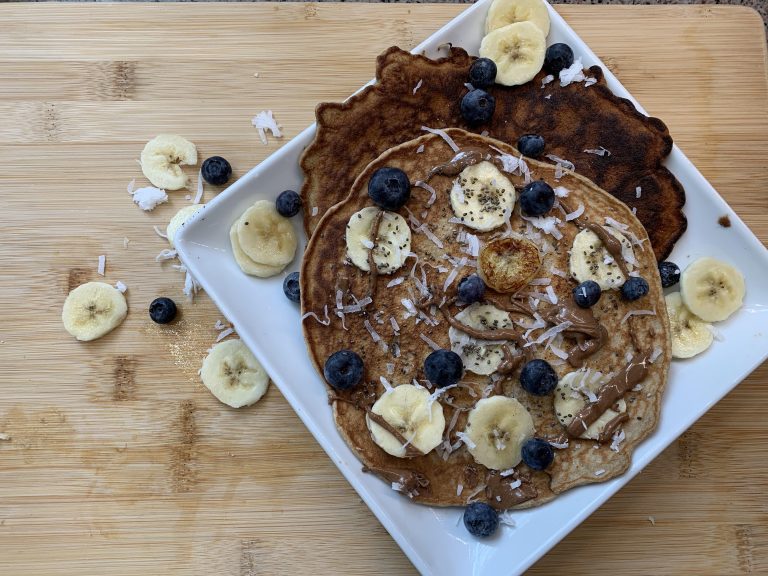
Whole-grain pancakes are a great option for sit-down breakfasts or quick snacks. Prepare them in bulk and store leftovers wrapped in aluminum foil. Check out my high-protein coconut pancake recipe, or try Nuts ‘N More with discount code 143NWW for 15% off your next order.
5. High-Protein Fruit Smoothie
A high-protein fruit smoothie is an easy way to get quality protein, carbohydrates, fruits, and fluids on the go. Enhance your smoothie with Greek yogurt, chia seeds, or flaxseeds to support health, digestion, and reduced inflammation. Use NSF-certified whey protein powder or cow’s milk for protein.
To save time, combine protein powder, chia seeds, and your favorite fruits and veggies in a freezer bag. When you’re ready, just add milk and ice.
Don’t forget to use code WendiIrlbeck for 15% off Momentous’s third-party tested creatine and supplements. I only recommend products I’ve personally used — Momentous products are NSF and Informed Choice certified for purity.
Make Meal One Automatic: Weekly Prep Checklist
- Establish a morning routine and wake up 15 minutes sooner
- Utilize breakfast at school, if available
- Boil a dozen eggs for the week
- Prep smoothie freezer bags ready to blend
- Make overnight oats in mason jars for the week
- Wrap turkey-cheese sausage bagels in foil
- Keep grab-and-go chocolate or white milk stocked
- Keep bananas, apples, pears, and other fruit on hand
- Portion out string cheese and nuts
- Assemble whole-grain pitas with turkey, egg, and cheese
- Bake egg scramble muffin tins ahead of time
- Portion out Wendi’s Egg-cellent Eggbake recipe
- Prep Greek yogurt parfaits in mason jars or Tupperware
The Bottom Line
We prioritize eating for health first and fueling for athletic performance second. It’s essential to develop healthy habits early on, starting with your first meal of the day. Success, especially as a champion, requires consistent practice of these habits. Consider what you can do today to improve tomorrow — and begin each day with clear intentions, ideally starting with Meal One.
Whatever your sport, there’s a resource built for you: the 12 week student athlete program is for every athlete, coach and family looking for clarity and results.
Remember: “Nutrition is a secret weapon! It can make a good athlete great or a great athlete good — the choice is up to you!”
In good health, faith, and fitness,
